Navigating the Waves of Change:
The year 2025 marks a pivotal moment for the maritime industry in Greece, as a wave of new regulations reshapes the landscape for boat owners, charter operators, and all who navigate its iconic waters. From the establishment of a centralized safety authority to a crackdown on licensing for foreign-flagged vessels and stricter safety equipment mandates, these changes are designed to enhance security and streamline oversight. These reforms are a clear signal of Greece’s ambition to solidify its status as a premier, secure, and modern maritime tourism hub, aligning with global standards. This guide provides a clear overview of the key reforms, including the new maritime safety bill, the disruptive licensing changes for charter boats, and the non-negotiable safety gear required for all voyages.
Centralizing Control: The New Maritime Safety Bill
Greece’s 2025 maritime safety bill introduces a fundamental shift in how safety is managed, moving from a historically fragmented system to one of centralized control. The legislation is built on several core components aimed at improving operational standards across the board.
A Unified Authority
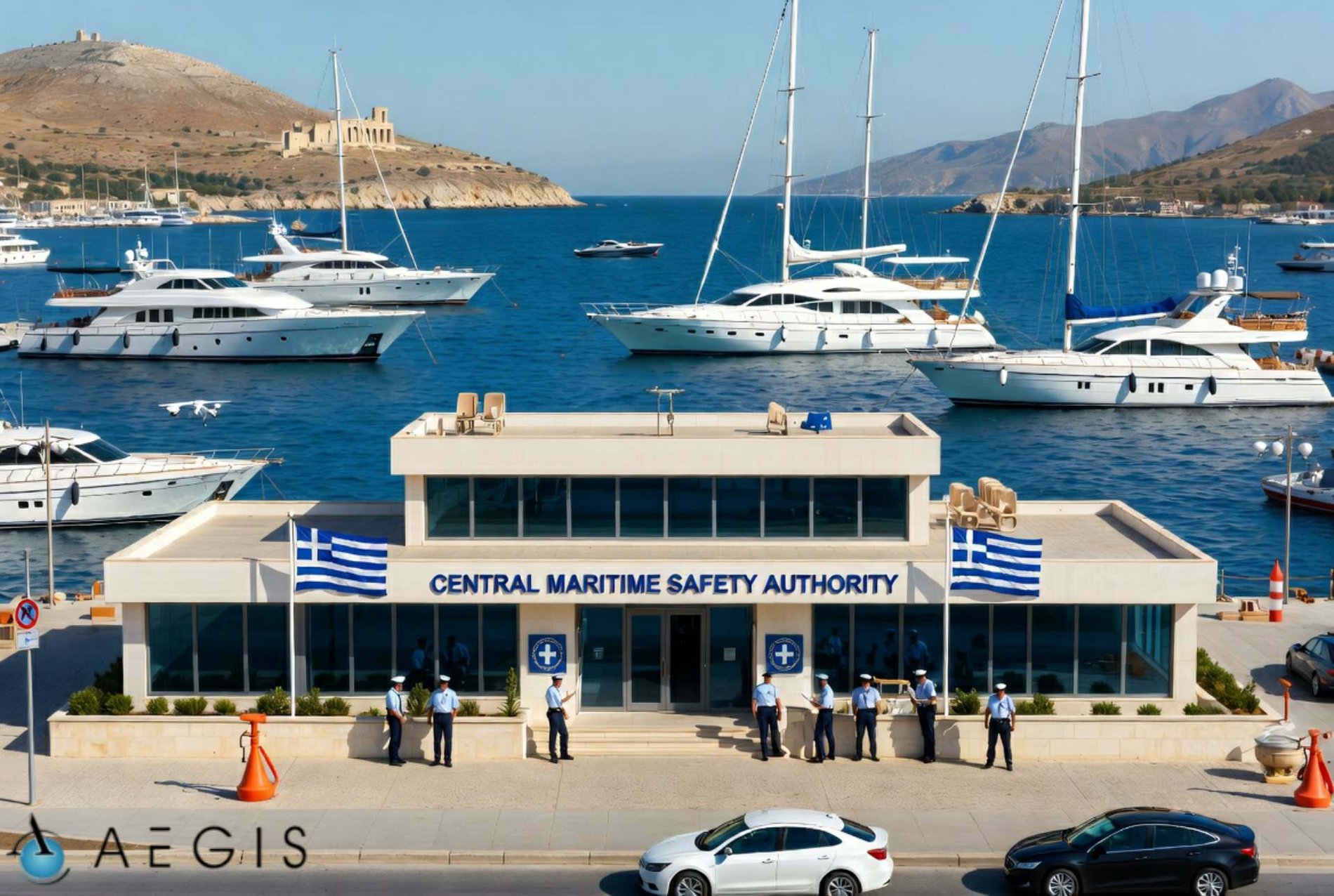
The bill establishes a single, central authority tasked with overseeing all aspects of maritime safety at ports and on vessels throughout the nation. This new body replaces a system where responsibilities were spread across different agencies, a structure that often led to inconsistencies and weaknesses in operational safety.
The Dedicated Control Unit
At the heart of this reform is a new “dedicated control unit” that holds dual authority as both a preventive and enforcement-focused body. This unit is empowered to act decisively to ensure compliance, reinforcing a zero-tolerance policy towards unlawful activities in port areas and addressing hazards before they escalate.
Key Functions
The primary responsibilities of the new control unit include:
- Conducting scheduled and targeted inspections of ports and vessels.
- Identifying safety risks early.
- Intervening immediately in cases of violations.
Stated Goals
The Greek government’s stated objective with this legislation is to significantly improve safety for passengers, crew members, and port workers. By implementing these reforms, Greece also aims to boost its credibility as a secure maritime hub that adheres to the highest global standards for maritime operations.
A “Blow for Boaters”: The 2025 Licensing Crackdown
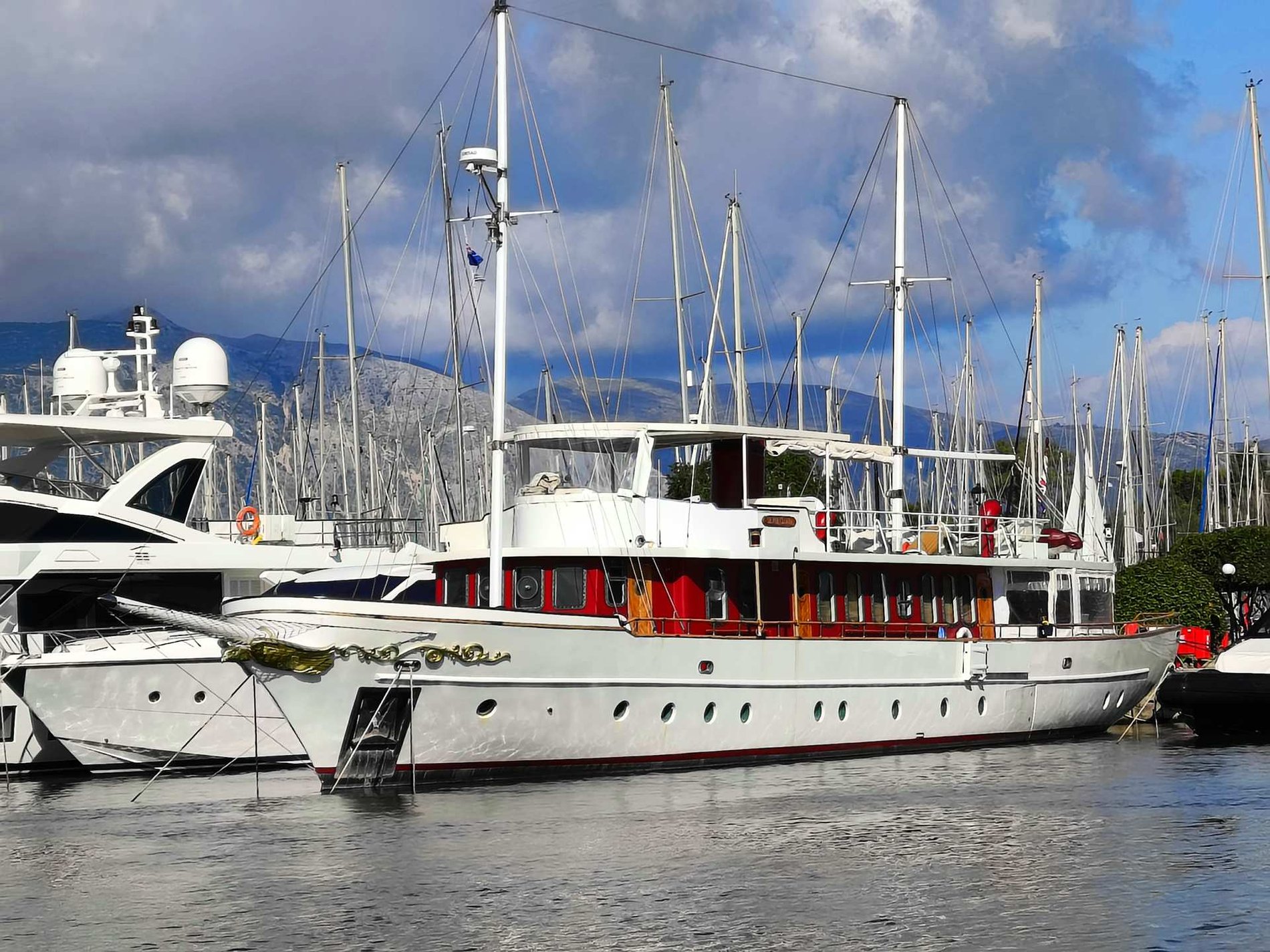
One of the most significant disruptions for the 2025 season comes from an abrupt change to licensing rules for foreign-flagged charter boats. This mid-season modification has had immediate and widespread consequences for charter operators.
The Core Change
The core change, implemented mid-season, is that the license renewal requirement for foreign-flagged charter vessels has been changed from every four years to annually.
Quantifying the Impact
This abrupt mid-season policy revision triggered the immobilization of approximately one in three boats at major charter bases. The move created significant operational chaos, resulting in last-minute charter re-bookings, potential financial losses for operators, and negative experiences for tourists during peak season as some boaters were transferred to other vessels in a hurry.
Affected Marinas
The disruption was felt across key Greek marinas, most notably at Alimos, Gouvia, Preveza, and Lefkas, causing significant operational challenges during the high season.
Action for Operators
Charter companies with affected vessels must now go to Maritime Affairs offices or the port police to regularize their boat’s situation. This process can reportedly take several days, requiring operators to act swiftly to bring their fleets into compliance.
Mandatory Safety Gear for Offshore Voyages
Alongside administrative reforms, Greek authorities are enforcing strict regulations regarding mandatory safety equipment. Compliance is a legal obligation and is subject to random inspections.
The Three-Nautical-Mile Rule
A critical regulation distinguishes between near-shore and offshore voyages: If traveling more than three nautical miles from shore, additional gear such as life rafts and EPIRBs must also be on board.
The table below outlines the required equipment based on your planned voyage.
| Voyage Distance | Required Equipment |
| All Voyages | • Life jackets for all passengers • Fire extinguishers • A first aid kit • Distress flares • Sound signaling devices |
| Beyond 3 Nautical Miles from Shore | All standard equipment listed above, PLUS: • Life Rafts • EPIRBs (Emergency Position Indicating Radio Beacons) |
Compliance is Mandatory
Greek authorities perform random inspections to ensure all regulations are followed. Keeping all required documents, such as registration papers, and the necessary safety gear on board is a legal obligation for all vessels.
Conclusion: Staying Afloat Amidst the New Rules
The 2025 maritime season in Greece is defined by three major reforms: the creation of a new centralized inspection unit, the shift to annual licensing for foreign-flagged charter boats, and the strict enforcement of safety equipment requirements.
Compliance is not optional; proactive verification of all vessel documentation and safety loadouts is now a prerequisite for uninterrupted operation in Greek waters. These reforms signal a trend towards more rigorous, centralized, EU-style regulation in the Eastern Mediterranean, and operators should anticipate a continued evolution in compliance standards.