1. Executive Summary
The Ionian Sea, traditionally a vital corridor for East-West trade via the Suez Canal, has effectively been transformed into a maritime “cul-de-sac” due to the closure of the Strait of Hormuz and the collapse of Red Sea security. While fuel is available in key regional hubs like Piraeus and Malta, supply chains are highly congested, and costs have surged by over 300% since February 2026.
2. Market Pricing and Surcharges
Fuel prices in the Mediterranean have reached historic highs due to the suspension of Qatari LNG and the loss of roughly 10 million barrels per day of Gulf crude.
- Bunker Fuel Surcharges: Major carriers have adjusted surcharges aggressively. As of April 1, 2026, standard bunker surcharges rose from 5.0% to 22.8%.
- Current Price Benchmarks (April 13-14, 2026):
- VLSFO (Piraeus): ~$826.50/mt
- MGO (Piraeus): ~$1,520.00/mt (Marine Gas Oil has seen the sharpest increase due to refinery run cuts).
- MGO (Malta/Valletta): Similar highs, with premiums for prompt delivery.
- Crude Impact: Brent Crude peaked at $126/barrel in March and remains volatile near $120/barrel despite the ceasefire.
3. Supply and Availability
The “Tanker War” in the Gulf has diverted fuel flows toward the Atlantic Basin, making the Ionian Sea dependent on alternative routes (e.g., Saudi oil via the Yanbu–Red Sea pipeline and US/Russian exports).
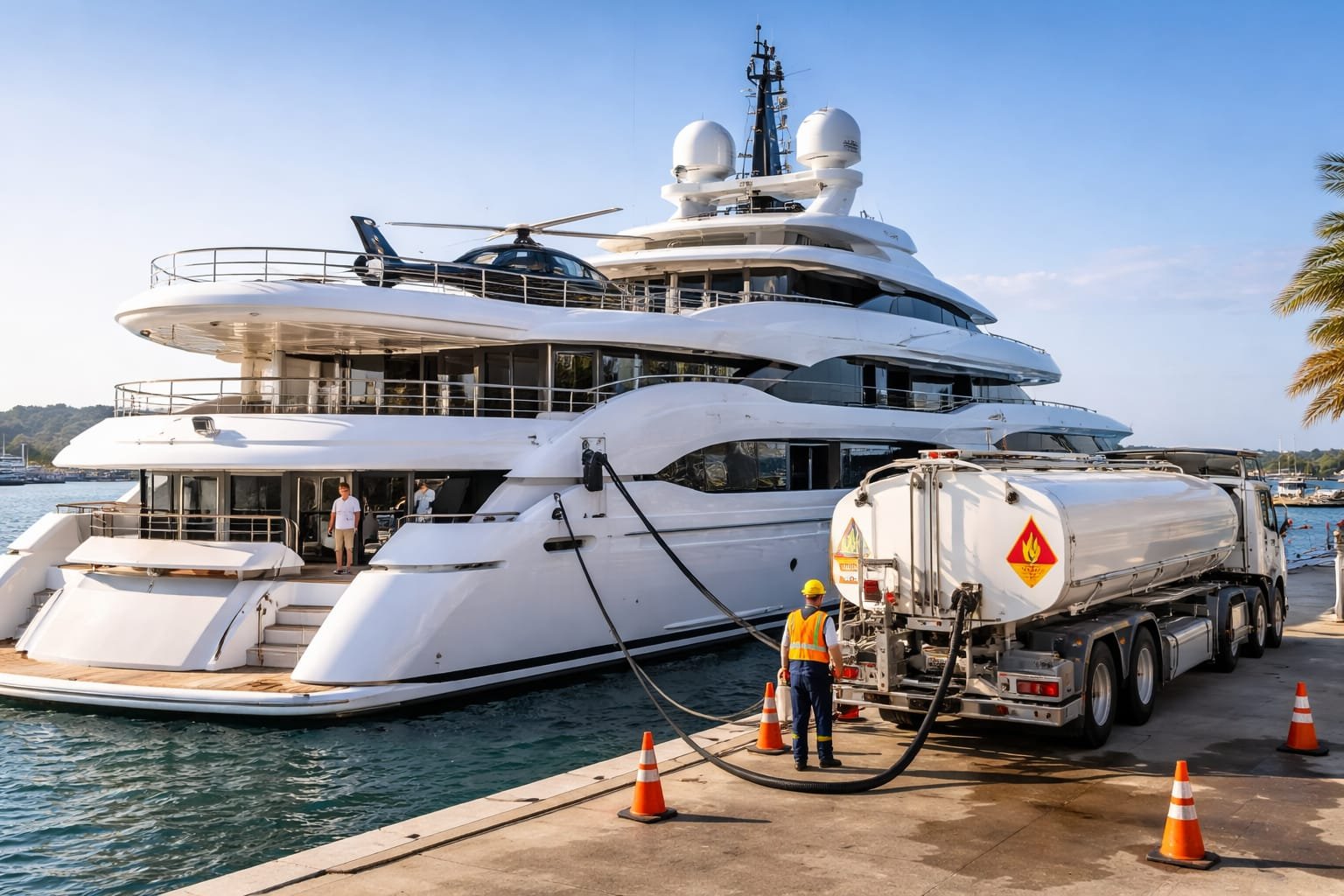
- Hub Status (Piraeus/Augusta/Malta): Fuel availability is currently categorized as tight. Traders advise a minimum lead time of 7–10 days for bunkering operations.
- Rerouting Effects: Shipments that previously transited the Suez Canal are now frequently rerouted around the Cape of Good Hope, leading to a “demand surge” in Western Mediterranean ports (Gibraltar/Algeciras) which has trickled down to Ionian replenishment schedules.
- Ionian Exploration: Interestingly, the crisis has accelerated Greek offshore exploration in the southern Ionian Sea and south of Crete as a long-term energy security strategy.
4. Operational & Security Risks
The conflict has introduced unconventional risks to Ionian maritime operations:
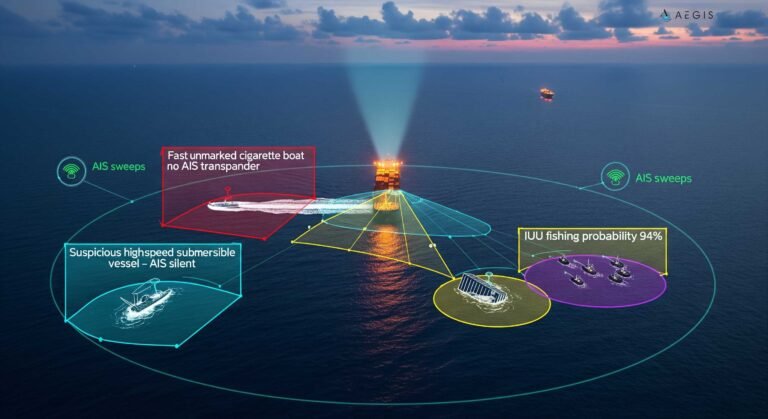
- Electronic Interference: While centered in the Gulf, sporadic GNSS (GPS) and AIS interference has been reported as far west as the Suez approaches, occasionally impacting navigation in the Eastern Mediterranean.
- Regulatory Compliance: Despite the war, FuelEU Maritime and EU ETS requirements remain in full force. Vessels calling at Ionian ports (Greece/Italy) must still account for 100% of emissions, adding a secondary “carbon cost” to the already inflated fuel prices.
- Environmental Threats: Increased transit of damaged or “shadow fleet” tankers has raised the risk of spills. A notable incident involving the Arctic Metagaz (LNG/Diesel) off the Libyan coast in early April highlights the precarious state of Mediterranean maritime safety.
5. Outlook: The “Islamabad” Ceasefire
A temporary two-week ceasefire began on April 8, 2026. However:
- Iran has begun charging tolls of $1 million+ per ship for transit through the Strait of Hormuz.
- The US has threatened a full naval blockade starting April 13/14 if transit isn’t “free and clear.”
- Expectation: Ionian fuel prices will remain decoupled from historical averages until a permanent settlement is reached in Islamabad. Owners are advised to maximize onboard storage and secure fixed-price contracts where possible.