
Why Soft Skills Matter
In the high-stakes world of executive protection, where operatives safeguard celebrities, VIPs, and ultra-high-net-worth individuals (UHNWI), technical prowess alone is insufficient for sustained success.
While hard skills—such as advanced driving, medical response, and threat assessment—form the foundation of an agent’s toolkit, it is the mastery of soft skills that often distinguishes exceptional professionals from the rest. These interpersonal and intrapersonal abilities enable operatives to navigate the complex, human-centered aspects of their roles, ensuring not only physical safety but also psychological comfort for their principals.
Drawing from industry insights and expert analyses, this guide explores the profound importance of soft skills in executive protection and outlines the key competencies new recruits must cultivate.
By integrating these skills, operatives can minimize risks, enhance client relationships, and thrive in an industry increasingly shaped by automation and evolving threats.
- Soft skills are essential for executive protection agents, as they complement technical abilities by enabling effective de-escalation, building client trust, and ensuring discreet security in dynamic environments.
- Proficiency in these skills can prevent the need for physical interventions, reduce legal risks, and contribute to long-term career success in protecting celebrities, VIPs, and ultra-high-net-worth individuals (UHNWI).
- While hard skills like defensive tactics are vital, soft skills such as communication and emotional intelligence often determine an agent’s ability to handle real-world scenarios with poise and professionalism.
- Research and industry reports suggest that demand for soft skills will continue to grow, driven by trends like automation and the need for human-centered interactions in security roles.
The criticality of soft skills stems from the inherent nature of executive protection as a service-oriented profession.
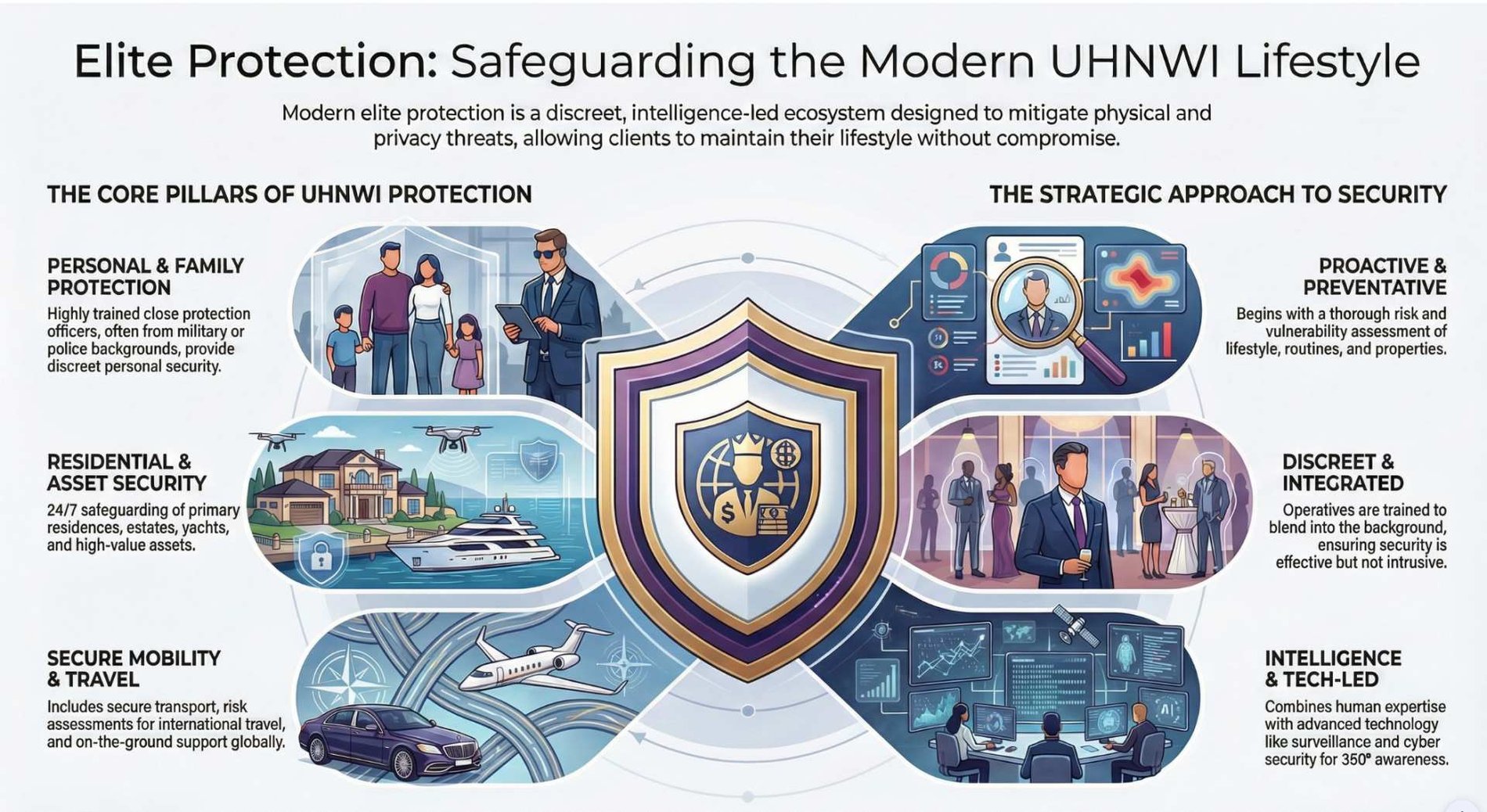
Unlike traditional security roles that may prioritize physical deterrence, close protection demands discretion, empathy, and adaptability to blend into the principal’s lifestyle without intrusion. For example, operatives protecting high-profile figures must often operate in social settings like galas or business meetings, where overt security measures could disrupt the client’s image or comfort.
Soft skills allow them to maintain a “gray man” presence—unobtrusive yet vigilant—while building rapport that encourages principals to adhere to security protocols voluntarily. Moreover, in an era where artificial intelligence and robotics handle many technical tasks, human skills like emotional intelligence become irreplaceable, as highlighted in reports from LinkedIn and the World Economic Forum.
These trends underscore that soft skills not only prevent escalation to physical confrontations but also mitigate legal liabilities, such as those arising from unnecessary use of force.
Industry veterans with decades of experience emphasize that soft skills are perishable.
Maintaining high skill levels (hard or soft) require ongoing practice much like physical training. In high-pressure scenarios, such as evacuating clients during a vehicle-borne improvised explosive device (VBIED) attack, the ability to communicate calmly and assertively can mean the difference between chaos and controlled resolution.
Furthermore, soft skills foster team cohesion in multi-agent details, where collaboration is essential for seamless operations. Without them, even the most skilled operatives risk burnout or client dissatisfaction, as seen in cases where poor emotional control leads to ethical lapses or strained relationships.
For new recruits entering the field, prioritizing soft skills development can accelerate career progression, as they are often the deciding factor in hiring and retention decisions.
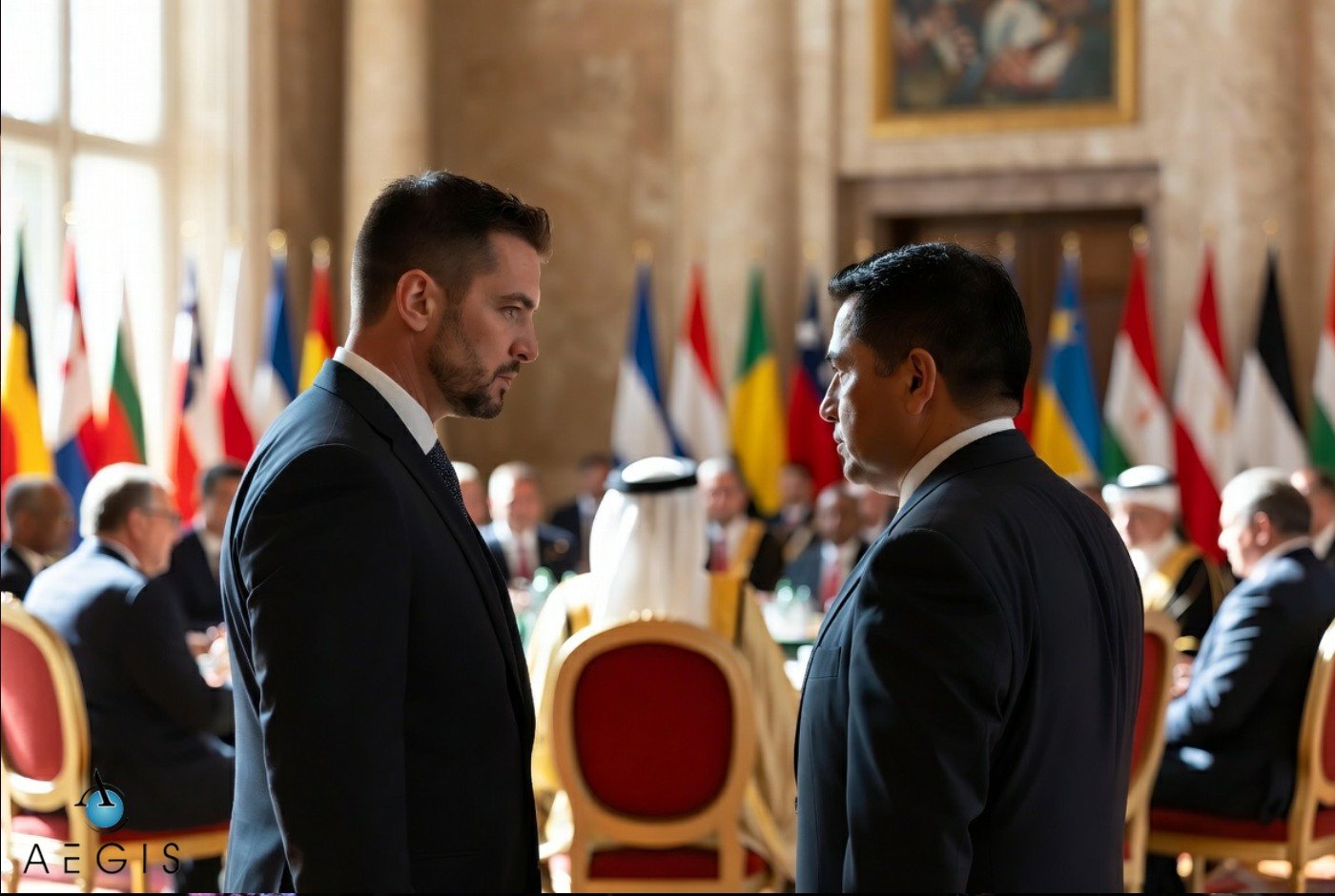
This table below serves as a quick reference for recruits, but deeper development always involves scenario-based training.
| Soft Skill | Description | Why Critical in Executive Protection | Practical Example |
| Communication | The ability to convey information clearly, listen actively, and adapt verbal/written styles to audiences. | Builds trust with principals and teams, de-escalates conflicts, and ensures coordinated responses in crises. | During a summit, using calm instructions to guide a principal away from a potential threat without alarming guests. |
| Emotional Intelligence | Recognizing and managing one’s emotions while understanding others’. | Enables rational decision-making under stress, prevents overreactions, and fosters empathetic client interactions. | Diffusing a principal’s frustration during travel delays by acknowledging their concerns and proposing alternatives. |
| Adaptability/Resilience | Flexibility to handle changes and recover from setbacks. | Vital for unpredictable schedules, weather, or threats; maintains performance in high-stress environments. | Adjusting a security plan on-the-fly during poor weather affecting a VIP event. |
| Attention to Detail | Vigilant observation of subtle cues in environments, attire, and behaviors. | Identifies risks early, ensures protocol adherence, and supports discreet protection. | Noticing an anomaly in crowd behavior at a public appearance, allowing proactive intervention. |
| Teamwork/Collaboration | Working effectively with others, valuing input, and coordinating efforts. | Enhances detail efficiency, reduces egos, and improves morale in rotating teams. | Rotating roles in a family protection detail to foster equality and shared responsibility. |
| Assertiveness | Confident decision-making and boundary-setting without aggression. | Maintains control in adversarial situations and ensures security priorities are upheld. | Politely but firmly denying unauthorized access during a high-risk evacuation. |
| Cultural Sensitivity/Etiquette | Awareness of protocols, customs, and social norms across contexts. | Prevents offenses, facilitates smooth interactions in diverse settings, and builds global rapport. | Adhering to host nation customs at an international summit to avoid diplomatic issues. |
| Critical Thinking/Creativity | Analyzing information and devising innovative solutions. | Supports problem-solving in unfamiliar scenarios while adhering to protocols. | Improvising a route change due to unexpected traffic while protecting a celebrity. |
| Empathy/Conflict Resolution | Understanding perspectives and resolving disputes peacefully. | De-escalates tensions, redirects aggression, and maintains safe environments. | Calming an agitated fan approaching a VIP by acknowledging their excitement and guiding them away. |
| Time Management/Organization | Prioritizing tasks and maintaining schedules efficiently. | Prevents oversights in itineraries, ensuring timely responses and operational success. | Using apps to track contacts and plans for a multi-stop international tour. |
Ultimately, proficiency in soft skills elevates executive protection from mere guardianship to a holistic service that anticipates needs, adapts to contexts, and prioritizes prevention.
For new recruits, investing in these areas through mentorship, courses (e.g., via platforms like EP Access or ASIS), and self-reflection will not only ensure client safety but also open doors to advanced roles in the industry.
As the field evolves, operatives who balance hard and soft competencies will be best positioned to protect those who shape our world.